
Building a strong learning culture is essential in a fast-evolving work landscape, where upskilling drives both individual and organizational success. Many organizations are turning to top Learning Management Systems (LMS) to deliver structured, consistent training and development. When implemented effectively, an LMS goes beyond content delivery; it fosters a culture of continuous growth, embedding learning into the core of the workplace. But how do the leading LMS platforms achieve this, and what are the main factors that drive a vibrant learning culture?
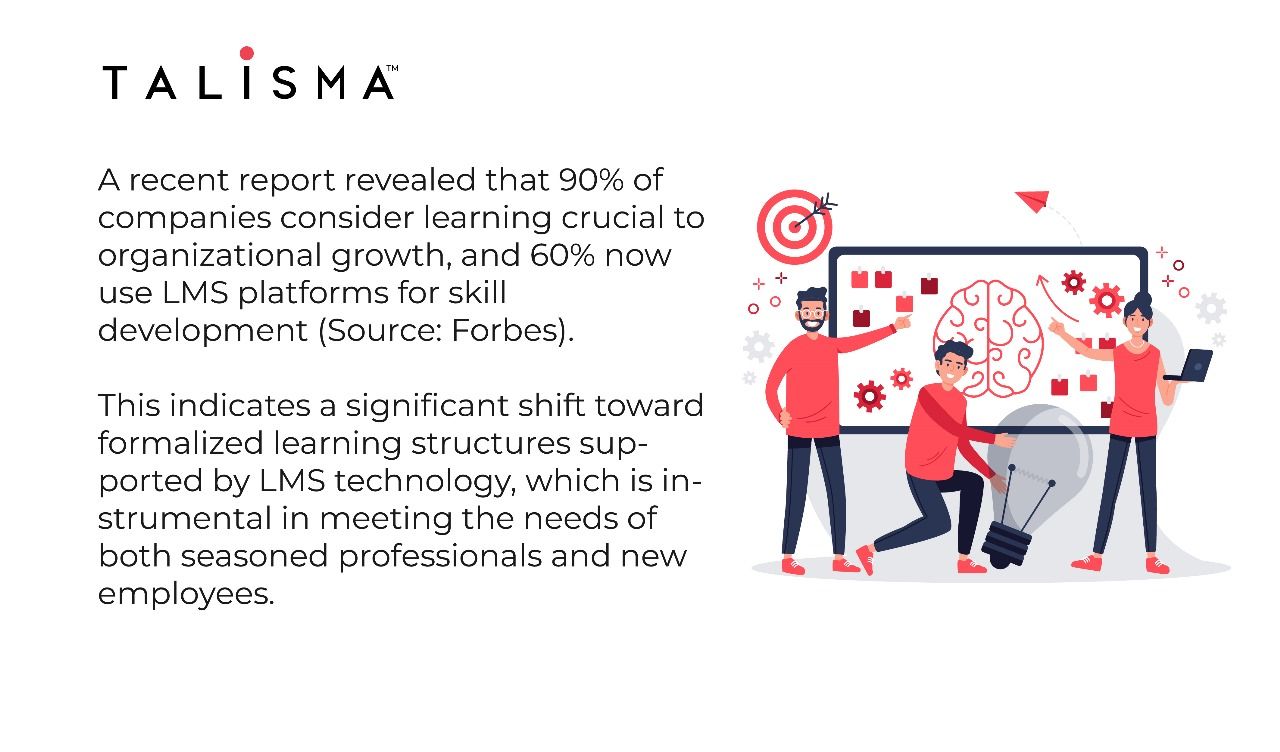
Understanding the LMS: What it Offers to Organizations
When exploring the significance of an LMS (Learning Management System) it's helpful to begin with the fundamentals; What is an LMS? At its core level an LMS is software designed to organize and oversee learning initiatives efficiently. Leading LMS solutions offer a range of functionalities such as course administration, evaluation tools for tracking progress and user involvement features— all aimed at fostering a well structured learning environment.
Companies find that incorporating a Learning Management System (LMS) is a method to structure and unify training materials for employees to access the knowledge uniformly. This method promotes uniformity in skill enhancement and effectively fills knowledge voids. Additionally it enables HR and training teams to shift their focus away from repetitive individual sessions towards more strategic and impactful tasks.
The Importance of LMS in Cultivating a Culture of Learning
A Learning Management System does more than manage training schedules—it becomes a hub for learning activities that promote knowledge-sharing and skill acquisition. By integrating learning into daily routines, an LMS encourages employees to stay curious and engaged. When accessible on-demand, LMS solutions allow employees to pursue training at their convenience, promoting a sense of autonomy in personal development.
The LMS also serves as a tool for self-assessment. With features like quizzes, assignments, and progress dashboards, employees gain clear insight into their progress and areas that need improvement. This transparency builds accountability and drives continual growth by setting a tone for learning-centric workplace culture.
Key Features of Learning Management Systems that Encourage Learning
When evaluating LMS platforms, several key features contribute directly to building a culture of learning:
Tailored Training Courses: Tailored training courses on Learning Management Systems (LMS) provide customized learning experiences based on job roles and skill levels to increase relevance and engagement.
Collaborative Tools: Such as forums and group projects enable employees to share knowledge by engaging in real world scenarios and interacting with peers.
Real Time Monitoring: Of progress fosters a mindset focused on achieving goals and boosts employee motivation to enhance their performance and finish courses.
Gamification: Incorporating elements such as badges and leaderboards into the learning process adds an element of fun to it and increases participation levels among employees by making training feel rewarding and engaging.
Mobile Accessibility: LMS platforms that are compatible with devices enable learning while on the move and seamlessly blend into employees' daily schedules.
How LMS Helps New and Existing Employees
An LMS offers a structured onboarding experience for new employees; immersing them in the company's culture, policies, and values. With standardized training modules, new hires can quickly adapt and become productive, significantly reducing ramp-up time.
For current employees, the LMS supports continuous development ensures that skills remain relevant and fostering a commitment to lifelong learning within the organization. Additionally, a comprehensive course library allows employees to explore new career paths within the company, broaden their skill sets, and promote internal mobility. LMS-guided learning paths also keep employees informed of industry trends, ensuring that their knowledge remains current and adaptable to evolving demand.
Learning Management System Examples in Practice
To grasp the impact of an LMS on fostering a learning culture, let's explore some widely adopted Learning Management Systems across industries:
-
Blackboard: Primarily used by educational institutions, Blackboard offers robust course management, collaborative tools, and detailed performance analytics, all aimed at creating an engaging learning environment.
-
Talisma: Tailored for customer education, Talisma's LMS integrates seamlessly with customer relationship management (CRM) tools, making it a valuable asset for companies focused on training employees in customer-oriented roles.
-
Moodle: As a highly customizable, open-source LMS, Moodle supports collaborative learning, making it an ideal choice for organizations seeking adaptable and flexible learning solutions.
These systems showcase varied approaches to LMS design, yet they all prioritize structured, accessible, and effective learning experiences that enhance both employee development and organizational success.
Measuring LMS Success with Analytics and Feedback
The true value of any LMS lies in measurable outcomes. Analytics tools built into many LMS platforms allow administrators to track engagement, course completion rates, and skill acquisition. By regularly reviewing this data, organizations can adjust learning programs to ensure relevance and effectiveness.
Additionally, employee feedback is crucial. Feedback mechanisms within the LMS give users the opportunity to share their thoughts on course quality and relevance, enabling continuous improvement. Understanding learner preferences and needs helps companies keep their LMS content aligned with the evolving expectations of their workforce.
Final Thoughts: The Future of LMS in Organizational Learning
Implementing a top LMS goes beyond simply uploading training modules—it builds a robust foundation for a culture where learning is highly valued. In the years to come, as more companies adopt LMS learning management system platforms, we're likely to see an evolution in learning practices, tailored to diverse needs and learning styles. Organizations that actively invest in these systems will position themselves as forward-thinking, adaptable workplaces where employees are equipped for long-term growth.
To underscore this impact, studies indicate that organizations with active LMS programs report a 30% improvement in employee satisfaction and productivity (Source: Training Industry). This significant statistic highlights the correlation between structured learning environments and positive workplace outcomes, reinforcing the value of LMS in building and sustaining a culture of learning.
By implementing a comprehensive learning management system with the required features, companies are setting up a structured, measurable way to cultivate a learning culture. This environment benefits everyone, from entry-level employees gaining foundational skills to experienced professionals who stay sharp with the latest knowledge. With the right LMS, any organization can take the first step toward creating an inclusive, progressive culture of continuous learning.
Contact Talisma NOW to learn more about LMS.